Why Ireland’s Kicking Game Wins Tests
How territory-first rugby delivers consistent results.
Read Analysis ›Why discipline, territory, and experience keep deciding test matches.
Test rugby is chaotic — but not random.
Teams that win the territorial battle apply pressure without needing long phases.
Penalties, exits, and kicking accuracy separate contenders from pretenders.
Veteran squads manage pressure moments better than younger, flashier sides.
Modern test sides kick not to surrender possession, but to dictate tempo, field position, and decision-making. The best teams treat kicking as a strategic lever — not a last resort.
Contestable kicks force rushed exits, while long-touch finders reset defensive lines and drain energy. Over 80 minutes, this repeated pressure quietly shapes momentum and scoring opportunities.
Teams that kick well don’t chase chaos — they control where the game is played, how fast it moves, and which side feels the strain.

Championship teams are built on defensive consistency. While attacking flair grabs attention, it’s defensive structure that survives pressure, travel, and hostile environments.
Strong line speed, accurate tackles, and low error counts reduce variance — especially in tight tests where one mistake can decide the outcome.
History shows that teams conceding fewer penalties and breaking fewer defensive lines outperform high-risk attacking sides across full tournaments.

In test rugby, pressure rarely pays off immediately — it accumulates. Territory, defensive resets, and repeated phases slowly tilt matches in one direction.
Over time, these small advantages stack up — turning discipline and patience into decisive moments.
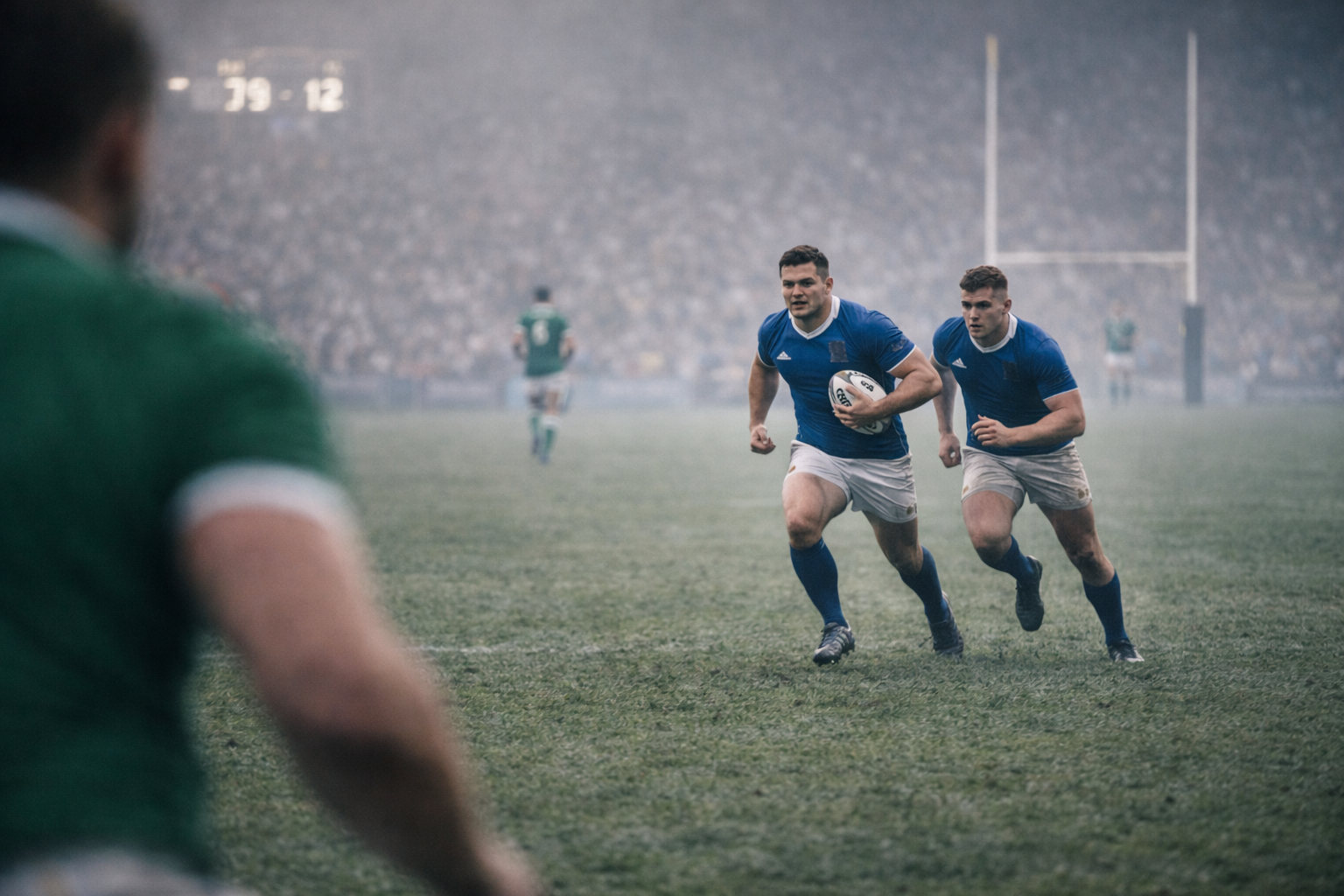
Breakdowns and trends from the modern test game.

How territory-first rugby delivers consistent results.
Read Analysis ›A quick challenge based on territory, discipline, and match context.
Can you spot the “likely” outcomes before kickoff?

Note: This site provides sports information and analysis only. Nothing here guarantees outcomes.